

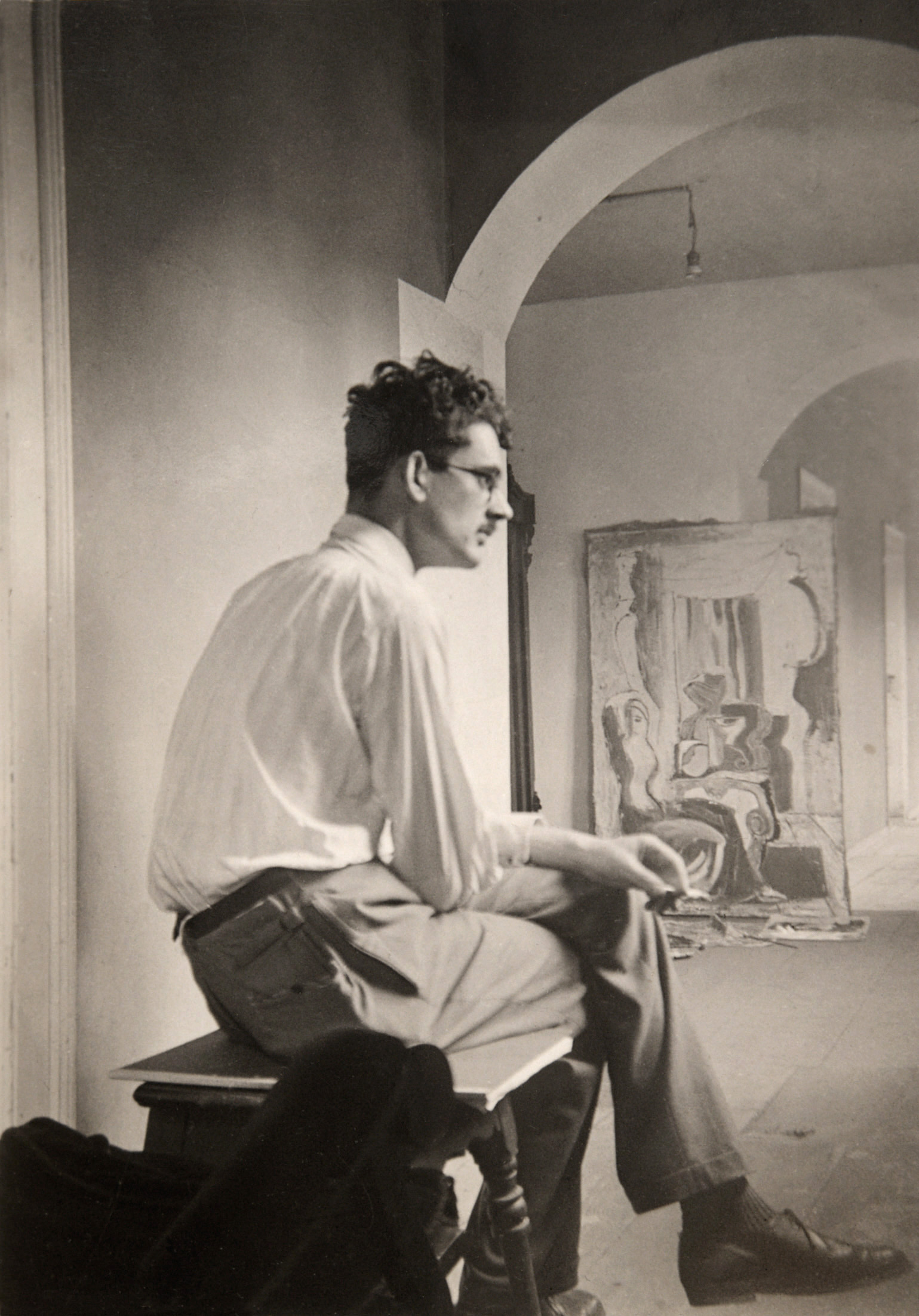
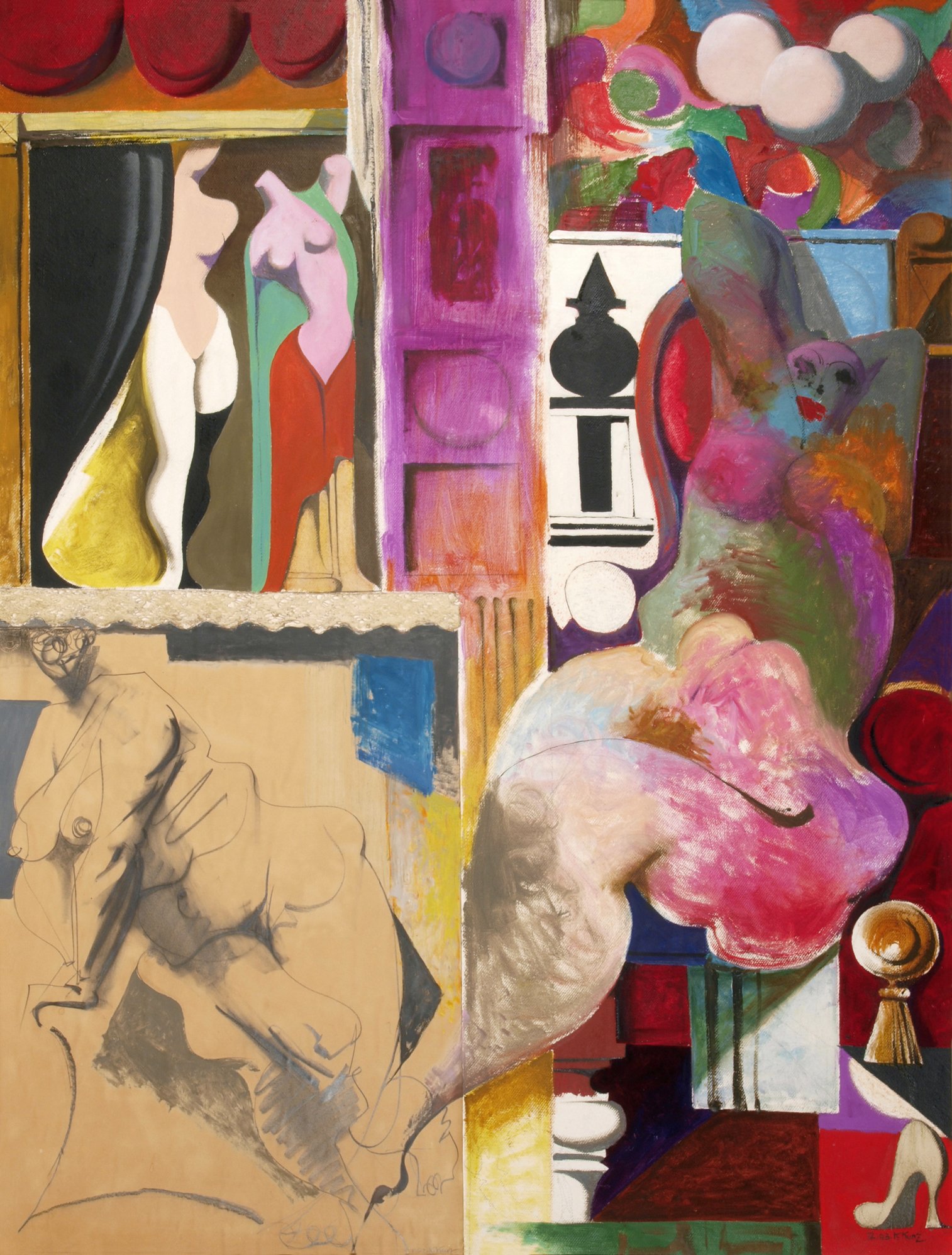
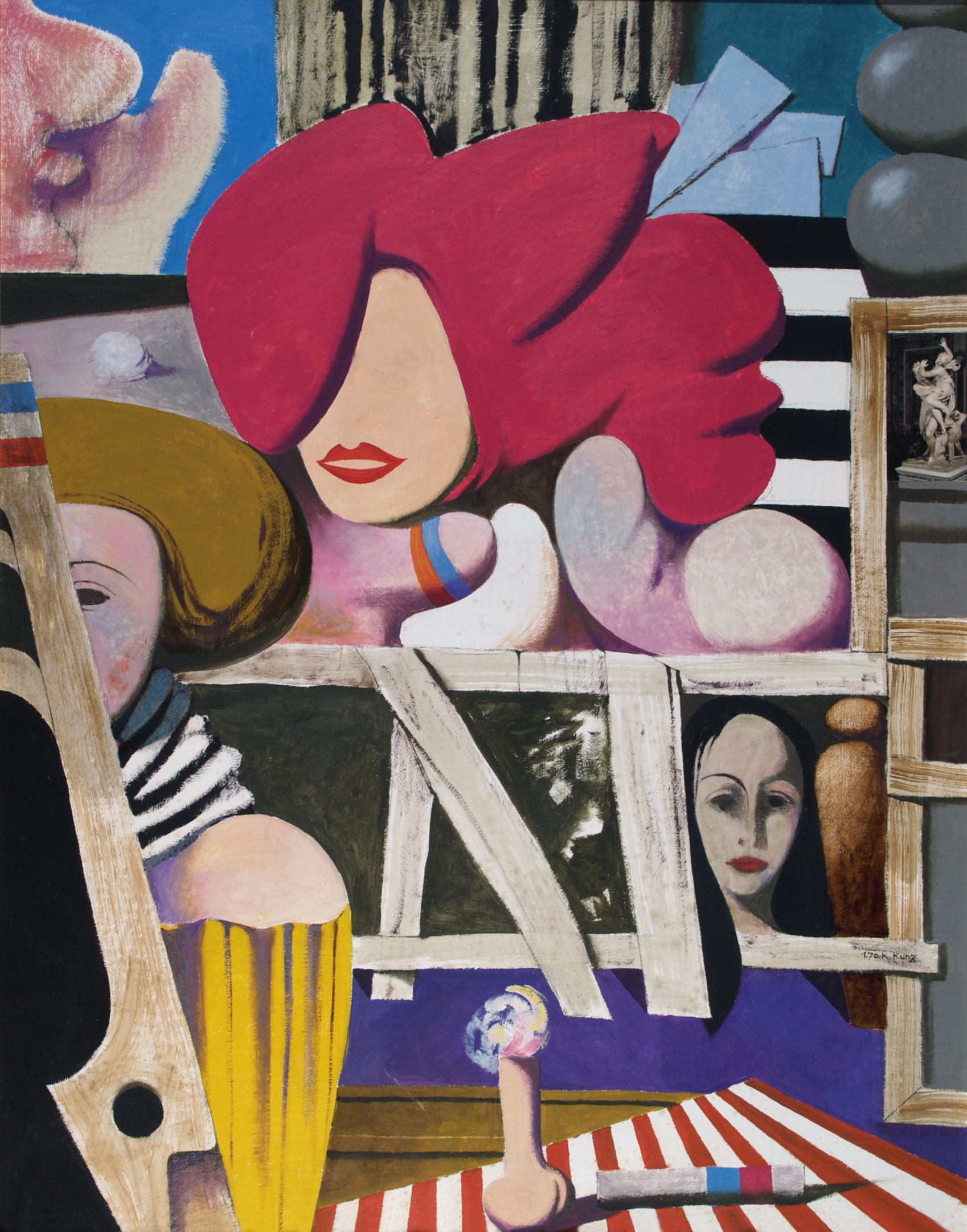
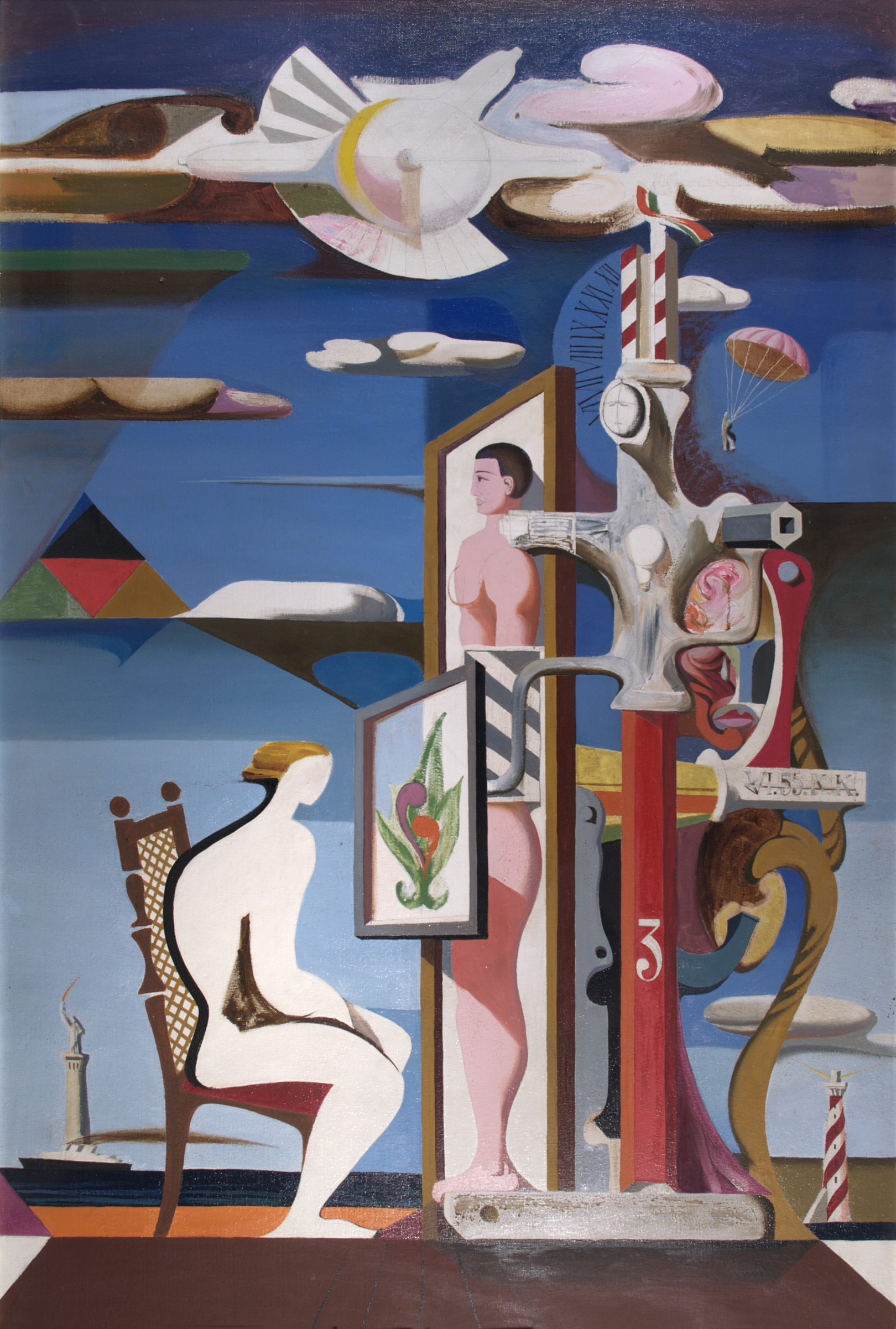
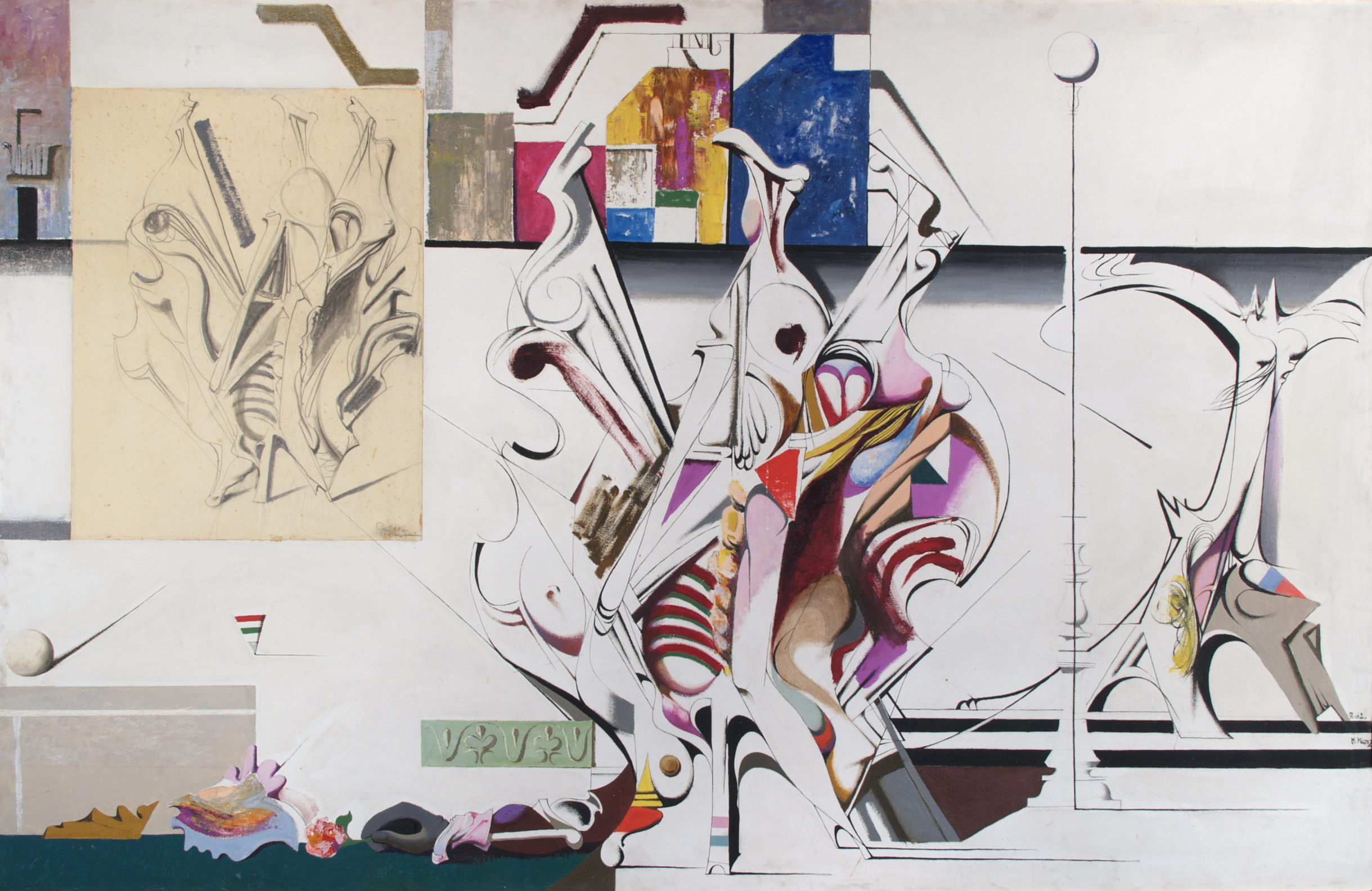
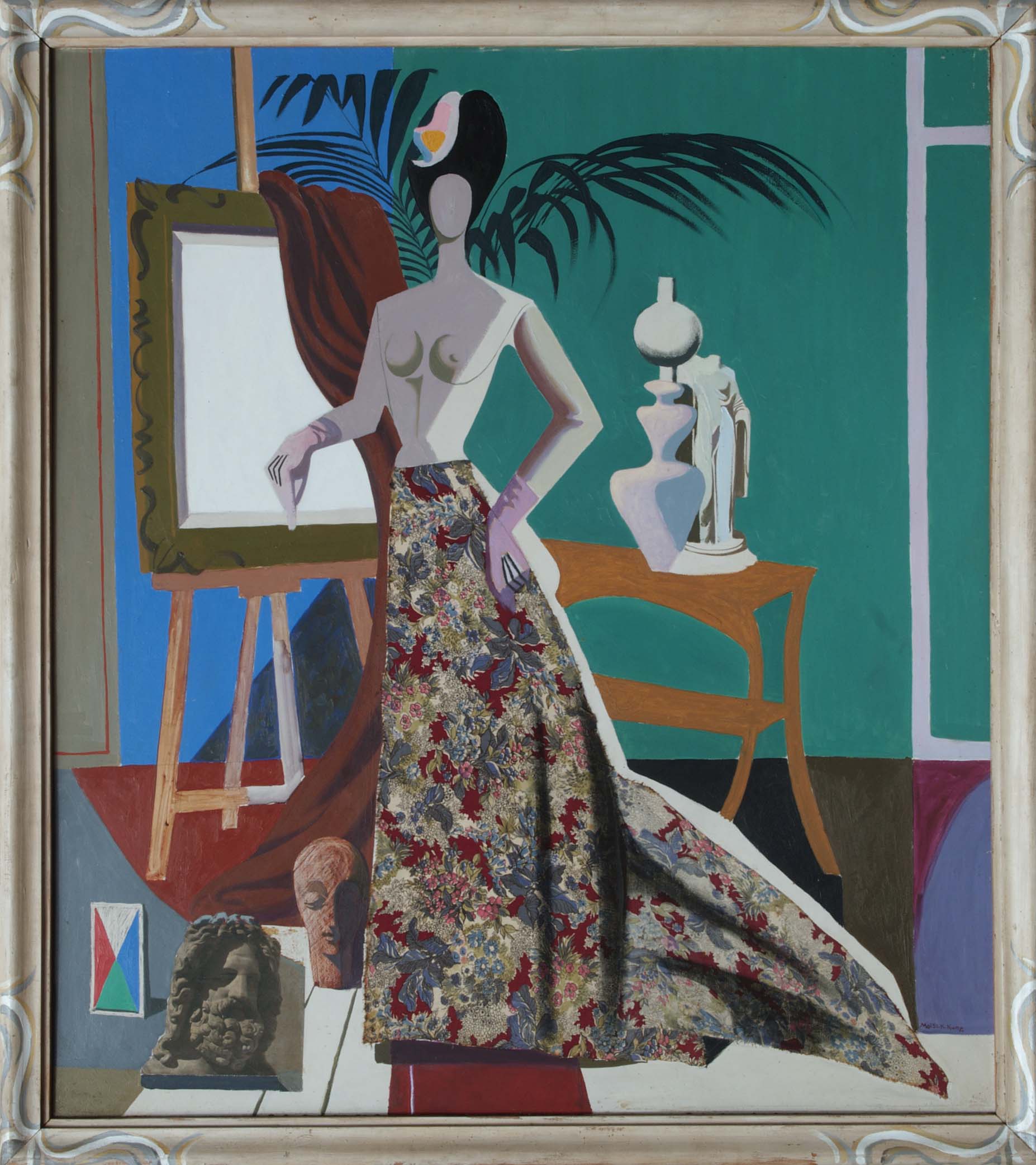
Die Figuren in den Gemälden des deutschen Malers Karl Kunz (1905–1971) sprengen die Grenzen der menschlichen Anatomie, finden sich in unwirklichen, traumartigen Szenerien wieder und lösen sich bis zur Abstraktion in Farbflächen auf. Kunz‘ lebendige, bunte, überbordende Körperwelten sind stark vom Surrealismus beeinflusst, zeugen aber auch von seinem Interesse für zeitgenössische Künstler wie Pablo Picasso, Oskar Schlemmer und Max Ernst.
Die Karriere des jungen Malers wurde harsch vom Terrorregime der Nationalsozialisten unterbrochen, als er 1933 seinen Posten an der Kunsthochschule Burg Giebichenstein in Halle verlassen musste. Bis zum Ende des 2. Weltkriegs konnte er nicht öffentlich ausstellen und führte seine Kunst im Verborgenen aus. Trotzdem entwickelte Kunz sich zu einem der innovativsten deutschen Figurenmaler der Nachkriegszeit. Obwohl er 1946 an der Allgemeinen Deutschen Kunstausstellung in Dresden teilnahm und 1954 auf der Biennale in Venedig ausstellte, ist er nur lose im Kanon verankert. So ist Kunz heute eine echte Wiederentdeckung.
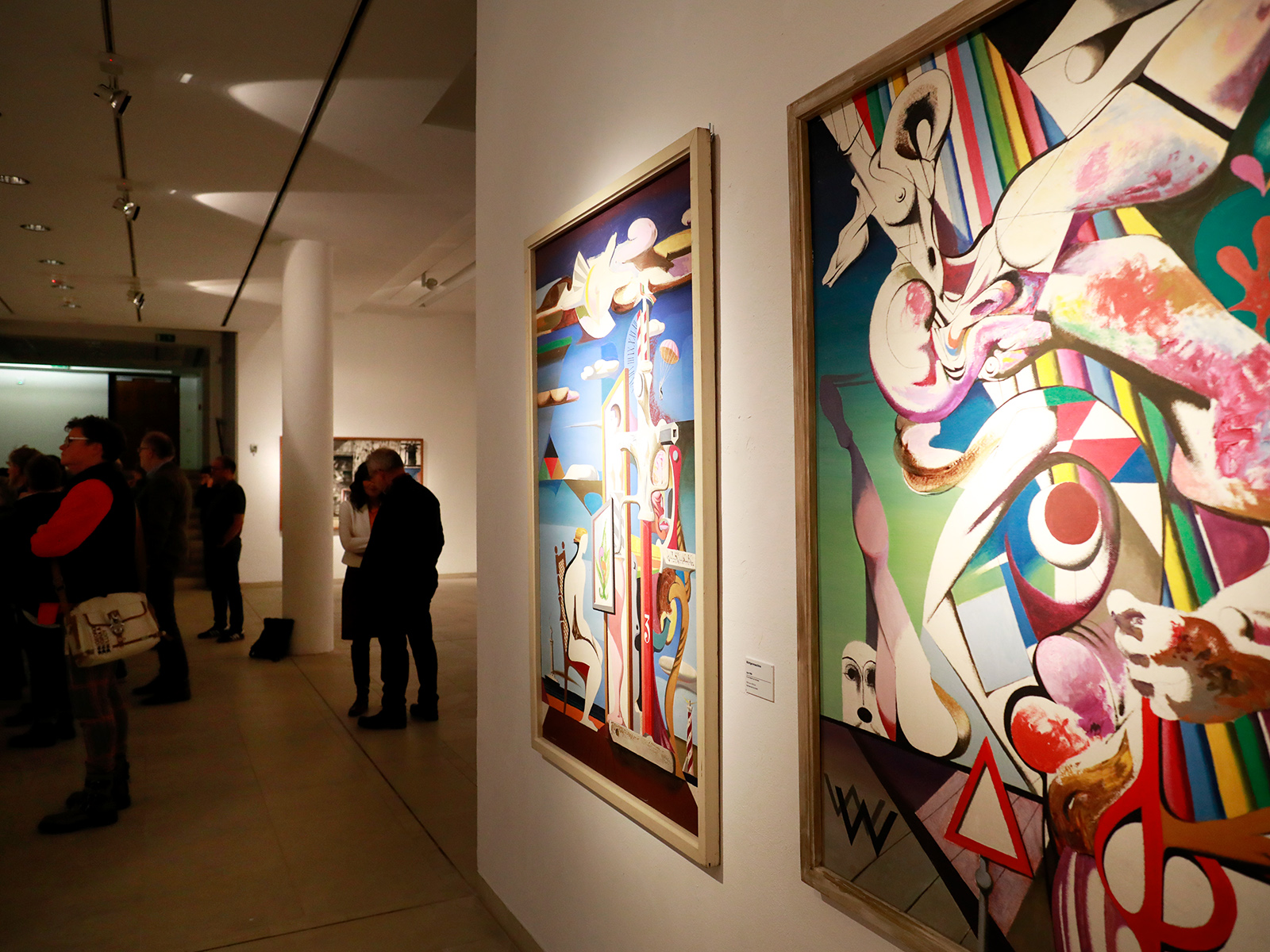
Die Ausstellung „Fantastische Körper“ zeigt die Originalität und Innovationskraft von Kunz' Malerei am Beispiel seiner Figurendarstellungen. Sie beschäftigt sich mit seinem Frühwerk, erkundet kunsthistorische Referenzen und die spannungsvollen Beziehungsgeflechte auf seinen Leinwänden. Sie zeigt seine fantastischen Figuren, denen Eros und Vergänglichkeit gleichermaßen eingeschrieben sind, im Raum zwischen Realität und Unbewusstem und am Rande der Ungegenständlichkeit.
Die Ausstellung ist bis zum 8. Februar 2026 zu sehen.
Die Ausstellungstexte zu "Karl Kunz – Fantastische Körper" finden Sie hier FANTASTISCHE KÖRPER
Termine:
- Sonntag, 30. November 2025 um 13 Uhr: öffentliche Führung
- Sonntag, 7. Dezember 2025 um 15 Uhr: Kuratorinnenführung mit Dr. Katharina Günther
- Sonntag, 14. Dezember 2025 um 13 Uhr: öffentliche Führung
- Sonntag, 11. Januar 2026 um 15 Uhr: Kuratorinnenführung mit Dr. Katharina Günther
- Sonntag, 18. Januar 2026 um 13 Uhr: öffentliche Führung
- Sonntag, 25. Januar 2026 um 13 Uhr: öffentliche Führung
- Sonntag, 1. Februar 2026 um 13 Uhr: öffentliche Führung
- Sonntag, 8. Februar 2026 um 15 Uhr: Finissage mit einem Vortrag von Dr. Torsten Schneider, Leuphana Universität Lüneburg: "Dem Sterbenden, der glücklich sein will, dem Unglücklichen, der leben will. Körper in der Kunst von Karl Kunz"
Die Ausstellung wird von der Gerd-Kaimer-Bürgerstiftung Solingen und dem Ministerium für Kultur und Wissenschaft des Landes Nordrhein-Westfalen unterstützt.


What’s a Rich Text element?
The rich text element allows you to create and format headings, paragraphs, blockquotes, images, and video all in one place instead of having to add and format them individually. Just double-click and easily create content.
Static and dynamic content editing
A rich text element can be used with static or dynamic content. For static content, just drop it into any page and begin editing. For dynamic content, add a rich text field to any collection and then connect a rich text element to that field in the settings panel. Voila!
How to customize formatting for each rich text
Headings, paragraphs, blockquotes, figures, images, and figure captions can all be styled after a class is added to the rich text element using the "When inside of" nested selector system.
What’s a Rich Text element?
The rich text element allows you to create and format headings, paragraphs, blockquotes, images, and video all in one place instead of having to add and format them individually. Just double-click and easily create content.
Static and dynamic content editing
A rich text element can be used with static or dynamic content. For static content, just drop it into any page and begin editing. For dynamic content, add a rich text field to any collection and then connect a rich text element to that field in the settings panel. Voila!
How to customize formatting for each rich text
Headings, paragraphs, blockquotes, figures, images, and figure captions can all be styled after a class is added to the rich text element using the "When inside of" nested selector system.
What’s a Rich Text element?
The rich text element allows you to create and format headings, paragraphs, blockquotes, images, and video all in one place instead of having to add and format them individually. Just double-click and easily create content.
Static and dynamic content editing
A rich text element can be used with static or dynamic content. For static content, just drop it into any page and begin editing. For dynamic content, add a rich text field to any collection and then connect a rich text element to that field in the settings panel. Voila!
How to customize formatting for each rich text
Headings, paragraphs, blockquotes, figures, images, and figure captions can all be styled after a class is added to the rich text element using the "When inside of" nested selector system.
What’s a Rich Text element?
The rich text element allows you to create and format headings, paragraphs, blockquotes, images, and video all in one place instead of having to add and format them individually. Just double-click and easily create content.
Static and dynamic content editing
A rich text element can be used with static or dynamic content. For static content, just drop it into any page and begin editing. For dynamic content, add a rich text field to any collection and then connect a rich text element to that field in the settings panel. Voila!
How to customize formatting for each rich text
Headings, paragraphs, blockquotes, figures, images, and figure captions can all be styled after a class is added to the rich text element using the "When inside of" nested selector system.
What’s a Rich Text element?
The rich text element allows you to create and format headings, paragraphs, blockquotes, images, and video all in one place instead of having to add and format them individually. Just double-click and easily create content.
Static and dynamic content editing
A rich text element can be used with static or dynamic content. For static content, just drop it into any page and begin editing. For dynamic content, add a rich text field to any collection and then connect a rich text element to that field in the settings panel. Voila!
How to customize formatting for each rich text
Headings, paragraphs, blockquotes, figures, images, and figure captions can all be styled after a class is added to the rich text element using the "When inside of" nested selector system.
What’s a Rich Text element?
The rich text element allows you to create and format headings, paragraphs, blockquotes, images, and video all in one place instead of having to add and format them individually. Just double-click and easily create content.
Static and dynamic content editing
A rich text element can be used with static or dynamic content. For static content, just drop it into any page and begin editing. For dynamic content, add a rich text field to any collection and then connect a rich text element to that field in the settings panel. Voila!
How to customize formatting for each rich text
Headings, paragraphs, blockquotes, figures, images, and figure captions can all be styled after a class is added to the rich text element using the "When inside of" nested selector system.
What’s a Rich Text element?
The rich text element allows you to create and format headings, paragraphs, blockquotes, images, and video all in one place instead of having to add and format them individually. Just double-click and easily create content.
Static and dynamic content editing
A rich text element can be used with static or dynamic content. For static content, just drop it into any page and begin editing. For dynamic content, add a rich text field to any collection and then connect a rich text element to that field in the settings panel. Voila!
How to customize formatting for each rich text
Headings, paragraphs, blockquotes, figures, images, and figure captions can all be styled after a class is added to the rich text element using the "When inside of" nested selector system.
What’s a Rich Text element?
The rich text element allows you to create and format headings, paragraphs, blockquotes, images, and video all in one place instead of having to add and format them individually. Just double-click and easily create content.
Static and dynamic content editing
A rich text element can be used with static or dynamic content. For static content, just drop it into any page and begin editing. For dynamic content, add a rich text field to any collection and then connect a rich text element to that field in the settings panel. Voila!
How to customize formatting for each rich text
Headings, paragraphs, blockquotes, figures, images, and figure captions can all be styled after a class is added to the rich text element using the "When inside of" nested selector system.
What’s a Rich Text element?
The rich text element allows you to create and format headings, paragraphs, blockquotes, images, and video all in one place instead of having to add and format them individually. Just double-click and easily create content.
Static and dynamic content editing
A rich text element can be used with static or dynamic content. For static content, just drop it into any page and begin editing. For dynamic content, add a rich text field to any collection and then connect a rich text element to that field in the settings panel. Voila!
How to customize formatting for each rich text
Headings, paragraphs, blockquotes, figures, images, and figure captions can all be styled after a class is added to the rich text element using the "When inside of" nested selector system.
What’s a Rich Text element?
The rich text element allows you to create and format headings, paragraphs, blockquotes, images, and video all in one place instead of having to add and format them individually. Just double-click and easily create content.
Static and dynamic content editing
A rich text element can be used with static or dynamic content. For static content, just drop it into any page and begin editing. For dynamic content, add a rich text field to any collection and then connect a rich text element to that field in the settings panel. Voila!
How to customize formatting for each rich text
Headings, paragraphs, blockquotes, figures, images, and figure captions can all be styled after a class is added to the rich text element using the "When inside of" nested selector system.
What’s a Rich Text element?
The rich text element allows you to create and format headings, paragraphs, blockquotes, images, and video all in one place instead of having to add and format them individually. Just double-click and easily create content.
Static and dynamic content editing
A rich text element can be used with static or dynamic content. For static content, just drop it into any page and begin editing. For dynamic content, add a rich text field to any collection and then connect a rich text element to that field in the settings panel. Voila!
How to customize formatting for each rich text
Headings, paragraphs, blockquotes, figures, images, and figure captions can all be styled after a class is added to the rich text element using the "When inside of" nested selector system.
What’s a Rich Text element?
The rich text element allows you to create and format headings, paragraphs, blockquotes, images, and video all in one place instead of having to add and format them individually. Just double-click and easily create content.
Static and dynamic content editing
A rich text element can be used with static or dynamic content. For static content, just drop it into any page and begin editing. For dynamic content, add a rich text field to any collection and then connect a rich text element to that field in the settings panel. Voila!
How to customize formatting for each rich text
Headings, paragraphs, blockquotes, figures, images, and figure captions can all be styled after a class is added to the rich text element using the "When inside of" nested selector system.

Pressespiegel

Wechselausstellung
:
Lebenslinien. Über Grenzen hinweg
Ein Kunstprojekt von Hanna Melnykova
Im Sommer 2025 wanderte die Fotokünstlerin Hanna Melnykova von Deutschland in die Ukraine. Das Museum Zentrum für verfolgte Künste zeigt die fotografische Dokumentation ihres performativen Spaziergangs.


Führung
:
Öffentliche Sonntagsführung in der Dauerausstellung
Eine Entdeckungsreise durch unsere Sammlung
Im Zentrum für verfolgte Künste können Sie Künstler:innen entdecken, die über die letzten Jahrzehnte in Vergessenheit geraten sind.

Führung
:
Öffentliche Sonntagsführung in der Dauerausstellung
Eine Entdeckungsreise durch unsere Sammlung
Im Zentrum für verfolgte Künste können Sie Künstler:innen entdecken, die über die letzten Jahrzehnte in Vergessenheit geraten sind.


