

Heading
%20Krak%C3%B3w%201914_s.jpg)
„Marian Ruzamski – The Art of Remembrance“ in Poland
Exhibition at the Palace of Art in Krakow
The artistic work of Marian Ruzamski almost vanished from collective memory in the catastrophe of the 20th century, but is now experiencing a remarkable comeback. A century after his last appearance in Krakow, the artist is once again being honored at the Palace of Art. More than 130 artworks from all phases of Ruzamski's career are on display here, following their initial presentation in Solingen: from his earliest drawings from his art studies at the Academy of Fine Arts in Krakow, through works created during his captivity in the First World War, works from the interwar period, to the harrowing portraits Ruzamski created in the camp infirmary of the Auschwitz concentration camp – the so-called "Auschwitz Portfolio."

Heading
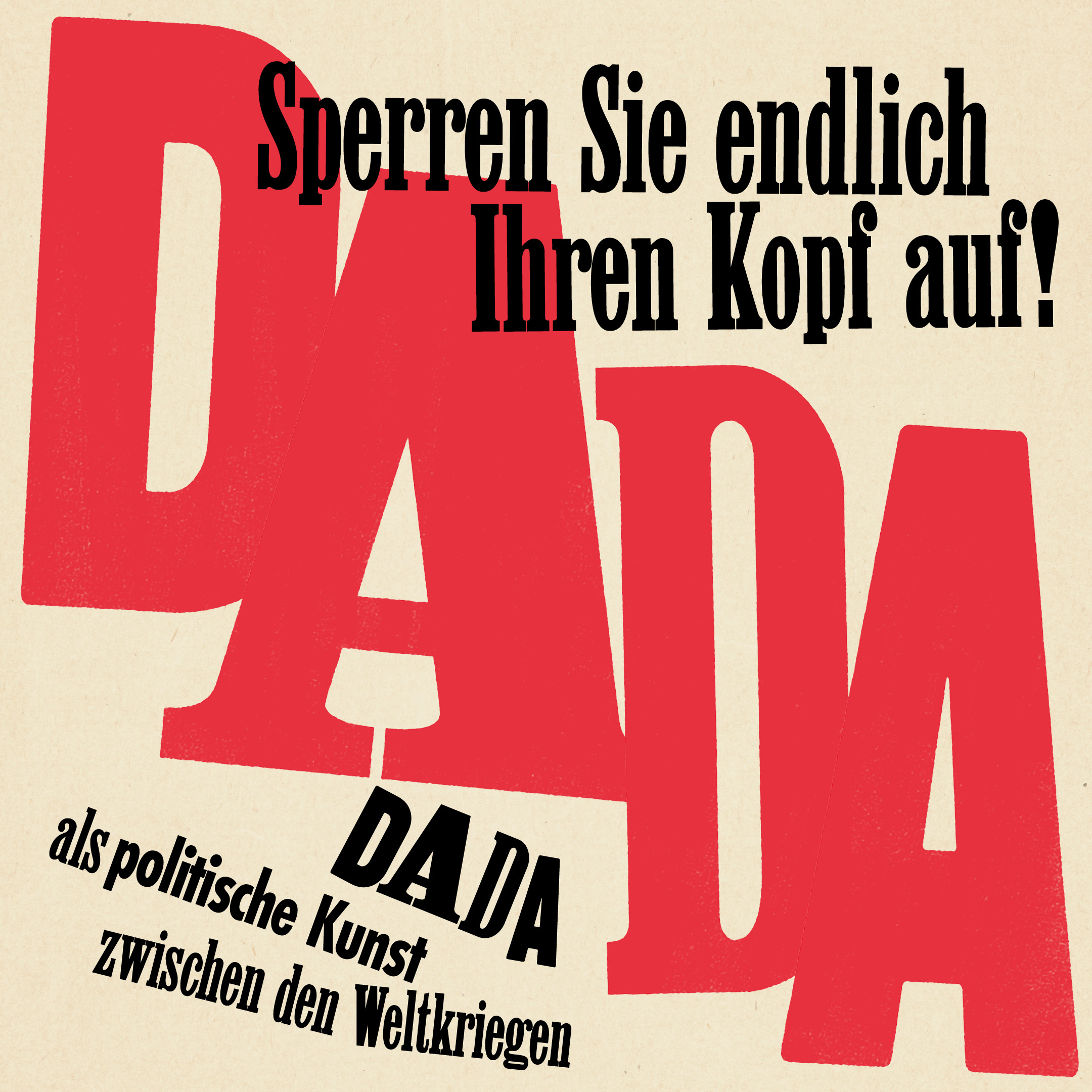
"Open your minds at last!"
Dada as political art between the world wars
Anti-bourgeois, anarchist, and pacifist, Dada, with its sharp eye and biting satire, offered social criticism, questioning prevailing values as well as political and social conditions and dynamics, especially those that had led to the catastrophe of the First World War. To mark its 110th anniversary, “Open your minds at last!” celebrates the Dada art movement and demonstrates the continued relevance of its political engagement.
Heading

Lifelines. Walking across borders
An arts project by Hanna Melnykova
In the summer of 2025, Ukrainian photographic artist Hanna Melnykova walked from Germany to Ukraine, documenting her "performative walk" through photography. The exhibition shows her artistic exploration of migration, resilience, cultural connection within the current geopolitical landscape. The symbolic meaning of this walk: representing life itself. The route mapped for the project illustrates borders between nations, embodying the divide between past and future, as well as personal and collective transformation.
Heading
:
„Marian Ruzamski – The Art of Remembrance“ in Poland
Exhibition at the Palace of Art in Krakow
The artistic work of Marian Ruzamski almost vanished from collective memory in the catastrophe of the 20th century, but is now experiencing a remarkable comeback. A century after his last appearance in Krakow, the artist is once again being honored at the Palace of Art. More than 130 artworks from all phases of Ruzamski's career are on display here, following their initial presentation in Solingen: from his earliest drawings from his art studies at the Academy of Fine Arts in Krakow, through works created during his captivity in the First World War, works from the interwar period, to the harrowing portraits Ruzamski created in the camp infirmary of the Auschwitz concentration camp – the so-called "Auschwitz Portfolio."
Heading
:
"Open your minds at last!"
Dada as political art between the world wars
Anti-bourgeois, anarchist, and pacifist, Dada, with its sharp eye and biting satire, offered social criticism, questioning prevailing values as well as political and social conditions and dynamics, especially those that had led to the catastrophe of the First World War. To mark its 110th anniversary, “Open your minds at last!” celebrates the Dada art movement and demonstrates the continued relevance of its political engagement.
Heading
:
Lifelines. Walking across borders
An arts project by Hanna Melnykova
In the summer of 2025, Ukrainian photographic artist Hanna Melnykova walked from Germany to Ukraine, documenting her "performative walk" through photography. The exhibition shows her artistic exploration of migration, resilience, cultural connection within the current geopolitical landscape. The symbolic meaning of this walk: representing life itself. The route mapped for the project illustrates borders between nations, embodying the divide between past and future, as well as personal and collective transformation.




.jpg)

.jpg)


